
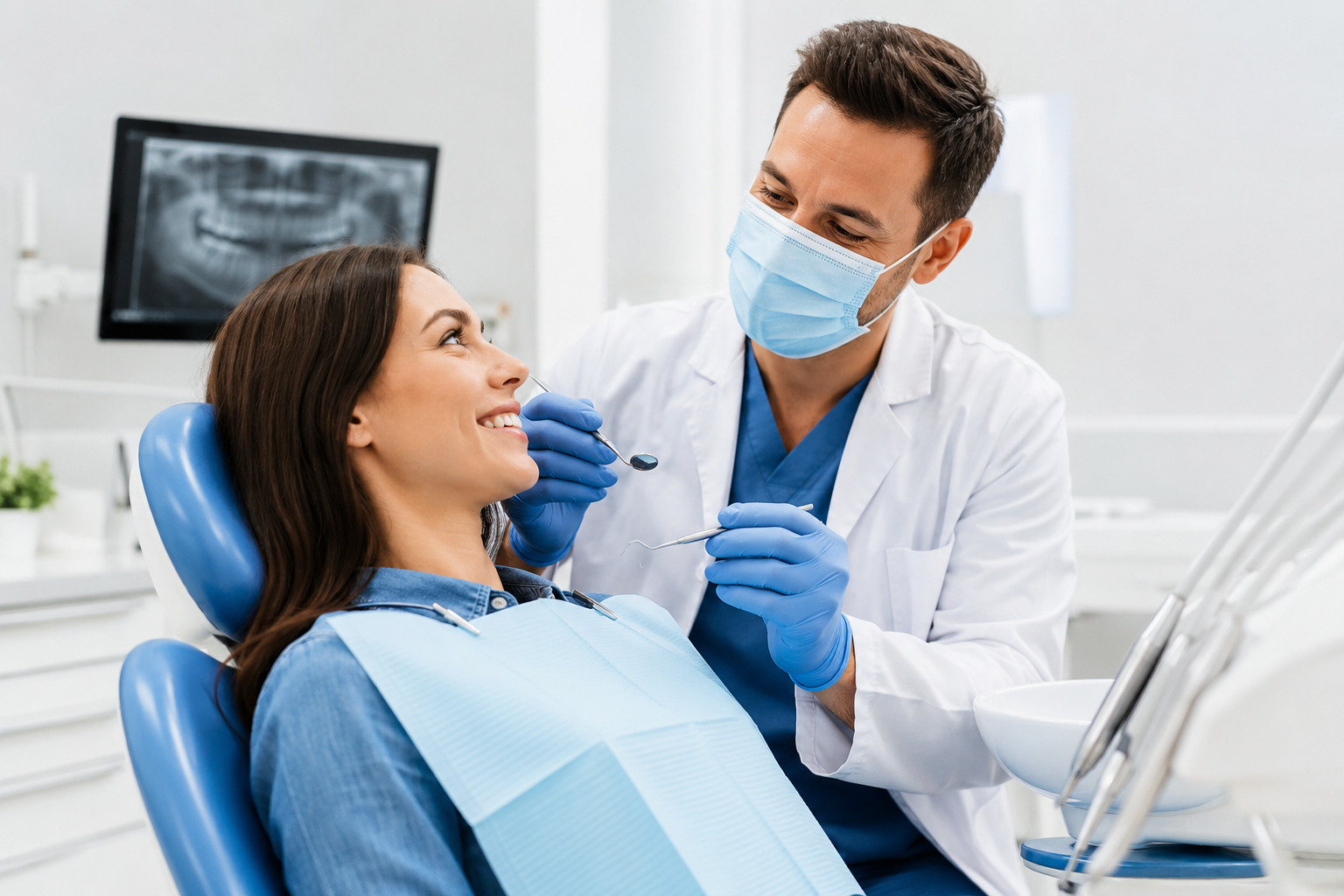
You’ll find clear, family-focused care at Arts Bellano Dental Health FL that makes routine visits easy and effective for everyone in the household. They combine compassionate service, modern technology, and preventive strategies so your family keeps healthier smiles with fewer surprises.
This article shows why choosing a family dentist in Bellano Arts Bellano matters, what services and comfort measures to expect, and how the team supports long-term oral health for children and adults. It also outlines the new-patient experience, community involvement, and simple next steps to get care started, so you can decide confidently for your family.
Why Choose a Family Dentist in Bellano Arts Bellano
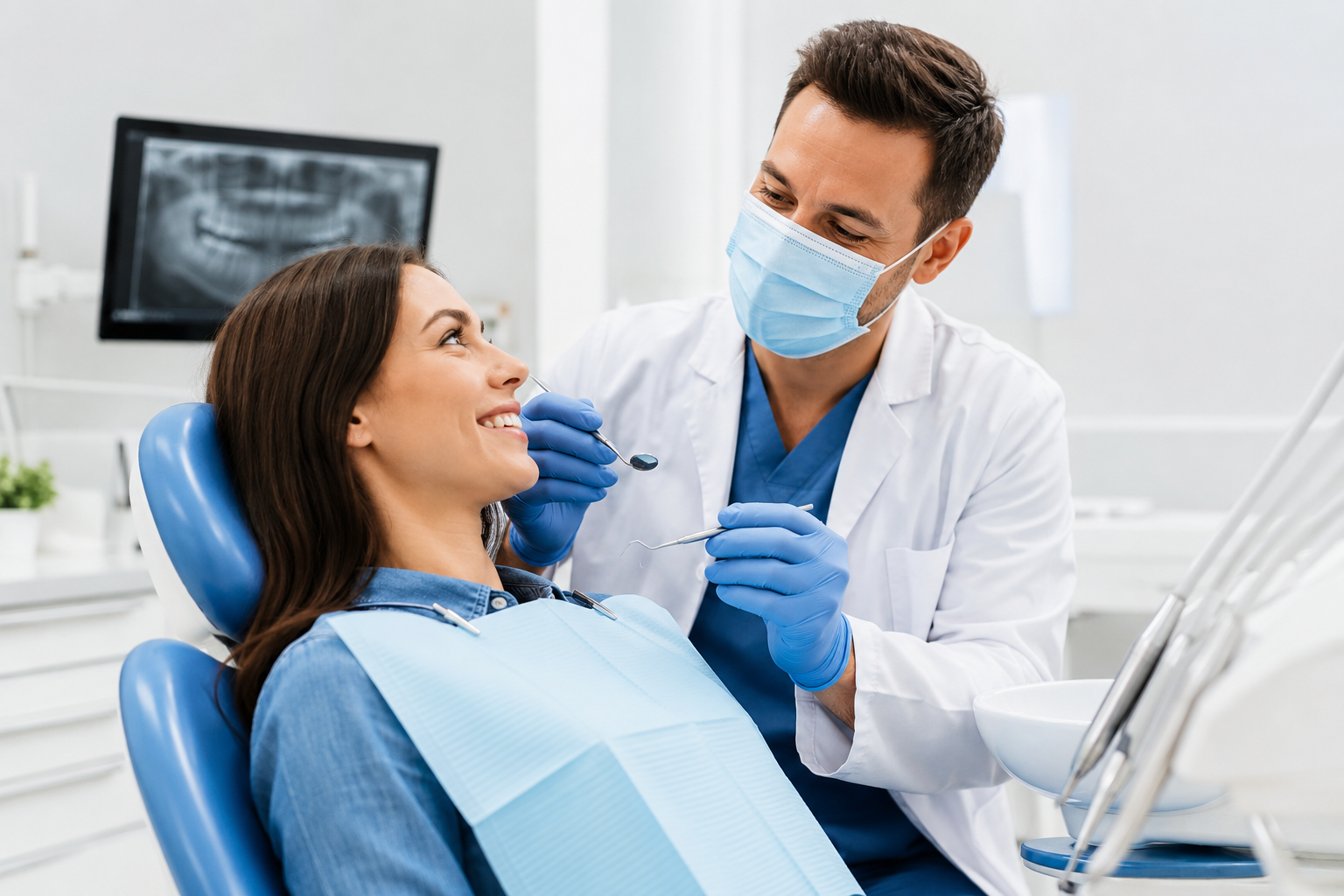
Bellano Arts Bellano Dental Health offers dental care that supports every family member from toddlers to seniors. Patients receive coordinated treatment plans, consistent preventive care, and a familiar clinical team that tracks oral health across life stages.
Benefits for All Ages
A family dentist at Bellano Arts Bellano treats childhood cavities, teenage orthodontic needs, adult restorations, and senior periodontal care under one roof. They schedule age-appropriate cleanings, fluoride or sealant applications for kids, and implant or denture consultations for older adults.
Preventive emphasis reduces emergency visits: routine exams and digital X-rays catch issues early. The practice adapts communication — simple language and visual aids for children, thorough explanations and treatment options for adults, and mobility-friendly accommodations for seniors.
Coordinated records mean the dentist notices trends, such as enamel wear or shifting bite patterns, and recommends timely interventions. This continuity helps reduce duplicate procedures and tailors care to a patient’s full dental history.
Convenience of One-Stop Dental Care
Families save time by consolidating appointments at Bellano Arts Bellano Dental Health. Parents can book siblings back-to-back and combine a child’s cleaning with an adult’s checkup in a single visit.
Onsite services include routine prophylaxis, composite fillings, root canal therapy, crowns, orthodontic referrals, and basic oral surgery. This reduces referrals, travel time, and scheduling friction.
Insurance coordination and bundled preventive care plans streamline billing for households. Online scheduling, reminder texts, and extended hours make attendance easier for working families. The practice’s central location in Bellano Arts Bellano also cuts commute times.
Personalized Patient Relationships
Dentists and hygienists at Bellano Arts Bellano build ongoing relationships that increase trust and treatment adherence. Staff remember patient preferences, past anxieties, and successful comfort measures, which improves the clinical experience.
These relationships allow clinicians to set realistic, phased treatment plans: prioritizing urgent needs, then addressing elective improvements like whitening or cosmetic bonding. Patients receive clear cost estimates and timeframes before procedures begin.
Personalized care also includes tailored preventive advice — dietary guidance for cavity-prone children, night guards for bruxism in adults, and periodontal maintenance schedules for seniors. Regular follow-up calls and care reminders reinforce long-term oral health goals and encourage questions or consultations.
Dental Services Offered at Arts Bellano Dental Health FL
Arts Bellano Dental Health FL focuses on preventing disease, treating pain, and restoring smile function using current technology and a patient-first approach. They prioritize comfort, clear explanations, and tailored treatment plans for every age and need.
Preventive Dentistry for Lifelong Oral Health
The practice emphasizes regular checkups, professional cleanings, and risk-based screenings to catch problems early. Dentists perform a comprehensive exam including digital X-rays, intraoral photos, and periodontal charting to identify decay, bone loss, and soft-tissue issues before symptoms appear.
Personalized prevention plans include fluoride varnish for children and topical desensitizers for sensitive teeth. Hygiene appointments combine ultrasonic scaling and hand instrumentation when needed, plus individualized oral hygiene coaching on brushing, flossing, and interdental cleaning devices.
They also offer dental sealants for molars, nightguards for bruxism, and nutritional counseling when diet contributes to caries. Records and recall intervals adjust to each patient’s risk level, so high-risk adults may return every three months while low-risk patients keep six-month visits.
Gentle Pediatric Dentistry
Arts Bellano Dental Health FL creates a welcoming environment for children, using short explanations, positive language, and stepwise desensitization to reduce fear. Early exams follow the American Academy of Pediatric Dentistry schedule, with the first visit recommended by the eruption of the first tooth or by age one.
Services for children include age-appropriate cleanings, fluoride varnish applications, placement of pit-and-fissure sealants on permanent molars, and habit counseling (thumb-sucking, pacifier use). Behavior management techniques and distraction options help complete treatment during routine visits.
When restorative care is required, doctors select minimally invasive options—glass ionomer for small lesions or tooth-colored composites for aesthetics. They coordinate referrals for orthodontic evaluation when crowding or bite problems appear, monitoring growth to time interventions optimally.
Comprehensive Restorative Treatments
Clinicians restore function and esthetics with conservative, evidence-based techniques tailored to the tooth and patient goals. Restorative offerings include direct composite fillings, porcelain inlays/onlays, full-coverage crowns (zirconia and porcelain-fused-to-metal), and post-and-core procedures for heavily damaged teeth.
For missing teeth, the practice provides implant restoration planning, fixed bridges, and removable partial dentures. Implant services include guided treatment planning with CBCT imaging, surgical placement coordination, and crown fabrication that matches adjacent teeth in shape and shade.
Endodontic therapy (root canal) aims to save infected teeth, using rotary instrumentation and contemporary obturation methods. When structural support is compromised, they place fiber posts and custom cores to retain crowns. Each restorative plan explains alternatives, expected lifespan, cost range, and maintenance steps so patients can make informed choices.
Patient Comfort and Modern Dental Technology
Arts Bellano Dental Health emphasizes gentle care and advanced tools to reduce anxiety, shorten appointments, and improve outcomes. Patients experience options that preserve more tooth structure, targeted pain control, and fast, accurate diagnostics.
Minimally Invasive Treatment Options
The practice favors techniques that remove the least amount of healthy tissue while resolving disease. For cavities, they use air abrasion and bonded composite restorations when appropriate, often avoiding extensive drilling and preserving natural tooth strength. For early decay, silver diamine fluoride and resin infiltration can arrest lesions without full restorations.
Laser dentistry plays a growing role for soft-tissue procedures and minor cavity removal, lowering bleeding and speeding healing. For crowns and veneers, conservative prep and CAD/CAM same-day restorations reduce multiple visits and limit tooth reduction. They discuss alternatives clearly so patients choose the approach that balances longevity with preserving tooth structure.
Comfort-First Approach
Staff focus on reducing discomfort through multiple layers of care: topical anesthetic, precise local anesthesia with computerized delivery systems, and short-acting sedative options when needed. They routinely explain each step to ease fears and use noise-canceling headphones, blankets, and ergonomic chair support for physical comfort.
For anxious patients, nitrous oxide and oral sedatives are available after medical review and consent. Pediatric and special-needs protocols include distraction techniques, visual aids, and extra time to build trust. Pain management plans include follow-up calls and clear instructions for at-home care to prevent complications.
State-of-the-Art Diagnostic Tools
Digital radiography and 3D cone-beam CT deliver high-resolution images with lower radiation than traditional film, enabling precise implant planning and detection of root fractures or impacted teeth. Intraoral scanners capture accurate digital impressions, eliminating messy trays and improving fit for crowns, bridges, and aligners.
Caries-detection devices and fluorescence tools identify early decay before it becomes visible, allowing preventive measures. Soft-tissue cameras and magnification help clinicians document conditions and show patients exactly what needs attention. Digital records integrate imaging, treatment plans, and progress photos for coordinated care and clearer patient communication.
Building Healthy Habits for the Whole Family
A practical routine, small behavioral changes, and regular professional care create lasting oral health. Clear daily steps, ways to reduce fear, and a schedule for checkups help families keep smiles healthy.
At-Home Dental Care Tips
Parents should supervise brushing until children are about 7–8 years old to ensure proper technique and two minutes of brushing twice daily. Use a pea-sized amount of fluoride toothpaste for children and a fluoride toothpaste appropriate for adults; floss once daily, ideally before bedtime, to remove plaque between teeth.
Choose a soft-bristled toothbrush and replace it every three months or after illness. For children and adults with braces or dental work, add interdental brushes or a water flosser to clean around brackets and bridges. Limit sugary drinks and sticky snacks; offer water, whole fruit, and dairy as alternatives to protect enamel.
Make oral hygiene positive: use a timer, play a short song, or create a sticker chart for young children. Model behaviors—adults brushing and flossing visibly—so kids learn that dental care is part of daily life.
Overcoming Dental Anxiety
Identify triggers: loud noises, needles, or loss of control are common sources of fear. Dental teams should ask about specific concerns during booking and plan accommodations like explaining each step, offering breaks, or using smaller needles and topical anesthetic to reduce discomfort.
Teach coping techniques such as controlled breathing, guided imagery, or holding a stress ball. For severe anxiety, dentists may discuss sedation options—nitrous oxide, oral sedatives, or monitored IV sedation—explaining risks and recovery expectations clearly.
Schedule shorter, early-morning appointments to reduce anticipatory anxiety and avoid long waits. Bring a supportive person when permitted. Consistent positive experiences help reframe dentistry as manageable and comfortable over time.
Establishing Routine Checkups
Schedule checkups every six months for most patients; children at higher risk for cavities or those with orthodontic appliances may need visits every three to four months. Professional cleanings remove hardened plaque (calculus) that daily brushing cannot, and exams catch issues like cavities, gum disease, or developmental concerns early.
Dentists perform fluoride treatments, sealants for children’s molars, and oral cancer screenings during routine visits. They tailor the recall interval based on risk factors—smoking, diabetes, dry mouth, or past periodontal disease—which may require more frequent monitoring.
Use appointment reminders and set family “dental days” to book multiple members on the same visit. Keeping a written record of treatments and dates helps track preventive care and plan future visits.
Meet the Arts Bellano Dental Health Team
The team combines clinical expertise, patient-centered care, and a warm office culture. They focus on preventive dentistry, modern restorative techniques, and making every visit comfortable.
Expertise and Credentials
Dr. Arts Bellano leads the practice with more than 15 years of clinical experience in family and restorative dentistry. He holds a DMD from a accredited U.S. dental school, completes annual continuing education in implant restorations and digital dentistry, and is certified in sedation dentistry for anxious patients.
The clinical staff includes two registered dental hygienists with combined experience of over 20 years who specialize in periodontal maintenance and oral cancer screenings. The dental assistants are trained in digital X‑rays, intraoral scanning, and sterilization protocols, ensuring efficient, evidence-based care.
The practice maintains memberships in the American Dental Association and the state dental society. Insurance coordinators and a treatment-planning coordinator help patients understand cost estimates, benefits, and phased treatment options.
Welcoming Office Atmosphere
The reception area features comfortable seating, kid‑friendly books, and an intake process designed to minimize wait times. New patients receive a clear welcome packet outlining forms, financial options, and what to expect during the first visit.
Operatories use warm lighting, noise‑reducing headphones, and optional nitrous oxide to ease anxiety. Staff members introduce themselves by name, explain each step before starting treatment, and confirm comfort throughout procedures.
The office schedules longer initial appointments for comprehensive exams and builds follow‑up plans that respect family schedules. Bilingual front‑desk staff assist Spanish‑speaking patients, and the practice offers online appointment booking and electronic records for faster check‑ins.
New Patient Experience and What to Expect
New patients can expect a straightforward, compassionate intake that balances thorough dental evaluation with clear, practical next steps. The office focuses on comfort, accurate diagnosis, and transparent cost options so families know what to expect from the first visit.
Initial Consultation Process
The initial visit begins with digital forms completed online or at the office to speed check-in and record medical history, current medications, and any dental concerns. A clinical assistant gathers bitewing or full-mouth digital X-rays when needed, then the dentist performs an oral exam covering teeth, gums, bite alignment, and soft tissues.
The dentist discusses findings in plain language, points out areas needing treatment or monitoring, and shows images from the exam so patients see what the dentist sees. If cleaning is due, a hygienist provides scaling, polish, and individualized home-care tips; the dentist then reviews treatment priorities and timelines.
A personalized treatment plan lists recommended procedures, estimated timeframes, and alternatives for conservative care. Emergency needs—pain, infection, or broken teeth—receive same-day attention whenever possible.
Insurance and Payment Guidance
The practice verifies benefits before or on the first visit and explains in-network versus out-of-network implications for major insurers. Patients receive a clear estimate showing covered services, patient responsibility, and any deductible or annual maximum that applies.
Payment options include cash, major credit cards, and third-party financing plans with monthly low-interest terms for larger treatments. The office staff walks through pre-authorization for crowns, implants, or orthodontics so patients understand timelines and approval steps.
For uninsured patients, a care coordinator outlines affordable phased treatment plans and preventive strategies to reduce future costs. They also provide printable receipts and claim forms to help patients submit for reimbursements.
Community Involvement in Bellano Arts Bellano
Bellano Arts Bellano Dental Health supports local schools and youth programs to promote early oral care education. They send hygienists to classrooms for age-appropriate talks and fun demonstrations that make brushing and flossing easier to remember.
They partner with community health fairs and offer free screenings during select events. These screenings help identify issues early and connect residents with affordable follow-up care.
The office sponsors neighborhood wellness days and contributes to food drives and senior outreach. Staff volunteers provide transportation assistance and appointment coordination for patients with mobility challenges.
They host monthly “Ask the Dentist” evenings where residents can bring questions in a relaxed setting. Topics range from cavity prevention to comfortable denture care, and the team provides clear, practical tips.
Highlights
- School visits: interactive lessons and take-home kits.
- Health fair screenings: no-cost checks and referrals.
- Senior support: transport help and simplified scheduling.
- Community Q&A nights: plain-language answers and next-step guidance.
Patients say the clinic’s approach reduces anxiety and increases confidence about dental care. Readers who want to learn more or arrange a community visit are encouraged to contact the practice for details and scheduling.
Next Steps for Your Family’s Dental Health
Patients should schedule a checkup for each family member every six months or as the dentist recommends. Regular exams and cleanings catch small problems early and keep preventive care on track.
Ask about personalized preventive plans that match age, diet, and oral habits. The practice can suggest fluoride treatments, sealants for children, or tailored home-care routines to reduce cavities.
Discuss comfort options and modern treatments during the visit. Many families appreciate sedation choices, digital X-rays, and same-day restorations that minimize visits and anxiety.
Prepare a short list of concerns before the appointment: recent tooth pain, grinding, sensitivity, or changes in gum appearance. Bringing insurance information and a list of medications speeds up intake and improves treatment planning.
Consider these quick action items:
- Call to book appointments for everyone.
- Update medical and dental histories.
- Ask about payment plans or financing options.
- Request educational materials for kids and teens.
They should feel encouraged to ask questions about prevention, cosmetic needs, or restorative options. The team aims to explain choices clearly and recommend conservative steps that protect teeth and promote long-term oral health.
Patients who want a personalized next step can contact Arts Bellano Dental Health FL to arrange a consultation, request a virtual visit, or start new-patient paperwork.
Frequently Asked Questions
This section answers practical questions families commonly ask about routine care, pediatric visits, anxiety management, insurance, and cavity treatment options. Each answer focuses on what patients can expect at Arts Bellano Dental Health in FL and what to bring or ask at the first appointment.
What should I look for when choosing a family dentist for both kids and adults?
They should choose a practice that treats all ages and schedules back-to-back appointments for siblings and parents. Look for state licensure, training in pediatric care, digital X-rays, and a clear infection‑control policy.
Check that the office offers modern restorative options (composite fillings, crowns) and preventive services (sealants, fluoride). Confirm hours, emergency availability, and whether the team communicates treatment plans in plain language.
What preventive dental services are typically included in a routine checkup and cleaning?
A routine visit generally includes a dental exam, professional cleaning (prophylaxis), and digital X-rays as needed. The hygienist removes plaque and tartar, polishes teeth, and screens for gum disease.
Preventive care also often includes fluoride treatment for children or adults with decay risk, and application of sealants on molars for kids. The dentist reviews oral hygiene habits and recommends personalized home-care steps.
How can a dental team help nervous patients feel comfortable during visits and procedures?
The team uses clear explanations, step-by-step descriptions, and frequent check-ins to reduce anxiety. They offer comfort measures like pillows, headphones, and breaks during longer procedures.
For greater anxiety, they may provide nitrous oxide or prescribe oral sedation after evaluating medical history. The staff customizes the approach and schedules longer appointments to allow a calm pace.
What are the most common treatment options for cavities, and how do you decide which one is right for me?
Small cavities usually receive tooth‑colored composite fillings placed after removing decay. Larger lesions might need an inlay/onlay or a crown to restore strength and function.
If decay reaches the dental nerve, root canal therapy followed by a crown becomes the standard. The dentist bases the choice on cavity size, tooth location, remaining tooth structure, and patient preferences.
How does dental insurance usually work for family care, and what should I bring to my first appointment?
Most plans cover preventive visits fully and pay a percentage for restorative work after a waiting period. Bring insurance ID, subscriber information, and a photo ID to estimate benefits and co-pays at check-in.
Also bring a list of current medications and any recent medical history changes. If the practice accepts financing or CareCredit, staff can review payment options during the first visit.
When should my child have their first dental visit, and how can I make it a positive experience?
Children should see a dentist by their first birthday or within six months of the first tooth eruption. Early visits focus on prevention, risk assessment, and familiarizing the child with the office.
Parents can model calm behavior, read books about the dentist, and schedule morning appointments when the child is rested. The team often uses “tell‑show‑do” language, a friendly tour, and small rewards to create a positive first impression.